 Koicha (thick)
Matcha Mumon
Koicha (thick), sourced from Kyoto, Asahi cultivar
¥4860 (20g) — ~$30.76 USD (converted)
~$1.54 per gram
Grade
Koicha (thick)
Cultivar
Asahi
Region
Kyoto
Price in context
At $1.54 per gram, it costs more than 73% of the other 969 matchas in the database with a confirmed price and size. Among the 92 Kyoto matchas with a confirmed price, the median is $1.34 per gram, and this one is close to the regional median. Among Horii Shichimeien's 13 matchas with a confirmed price, this is the 5th-cheapest per gram.
Compared across 970 products with a confirmed price and size, with yen, pound and euro prices converted to dollars. See how Kyoto compares · How we research
Sourcing
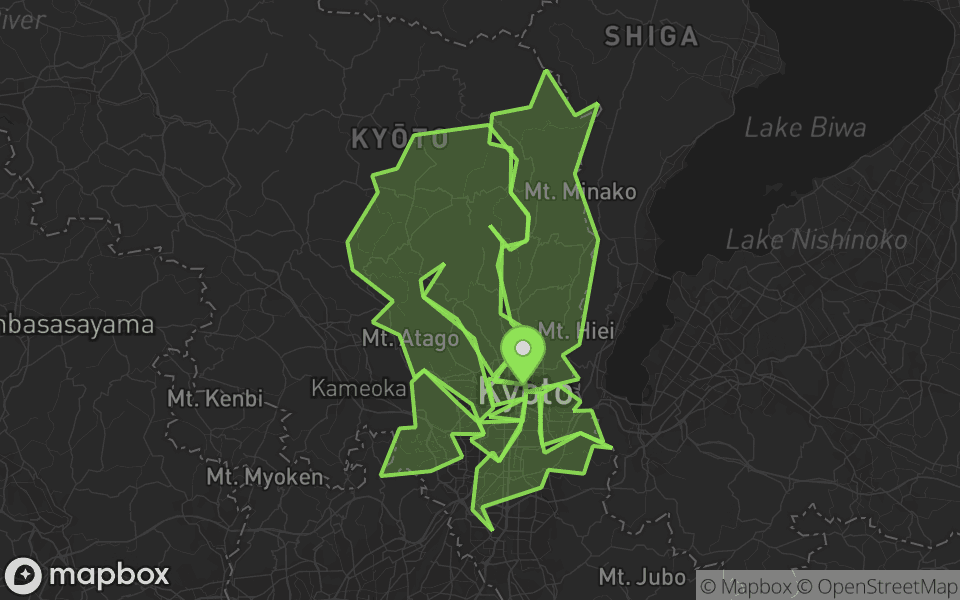
Kyoto, Japan
View the full sourcing map →Tasting notes
Well-balanced flavor with excellent taste and aroma
Pricing as disclosed
Full details
Everything disclosed on the product page (19 fields)▾
- Price
- ¥4,860 JPY (regular and sale price listed identically)
- Size Variant
- 20g - Currently sold out
- Cultivar
- Asahi (described as 'single-origin cultivar')
- Origin
- Kyoto, Japan; cultivation from Okunoyama and Togawa tea gardens
- Tea Garden
- Okunoyama Tea Garden (our own tea garden)
- Composition
- Single Cultivar
- Harvest Season
- First Flush (Ichibancha)
- Harvest Method
- Hand-Picked
- Shading Method
- Traditional Shelf Shading (Tana)
- Shading Period
- 40 Days
- Tencha Drying
- Horii-style Tencha Furnace
- Processing
- Stone-milled
- Recommended Uses
- Usucha / Koicha
- Serving Guide
- 2 g for Usucha / 4 g for Koicha
- Shelf Life
- 6 months from the date of manufacture
- Flavor Profile
- Well-balanced flavor with excellent taste and aroma
- Award Recognition
- Ranks highly at tea competitions every year
- Packaging
- 20g and 30g cans come with boxes; gift wrapping available
- Gift Options
- Noshi wrappers in red/white or yellow/white designs available
Research notes
Official on-page title is 'Matcha (own garden) Mumon' (the '(own garden)' qualifier is part of the storefront naming convention for this single-cultivar line). Cultivar is described as 'single-origin' while sourced from two named tea gardens (Okunoyama and Togawa) - noted as presented, not resolved as a contradiction since 'single-origin cultivar' likely refers to the Asahi cultivar being uniform, not the growing plot.
More Koicha matcha from Kyoto



More from Horii Shichimeien
Horii ShichimeienMatcha Agata no Shirohoriishichimeien.comHorii ShichimeienMatcha Choukou no Mukashihoriishichimeien.com